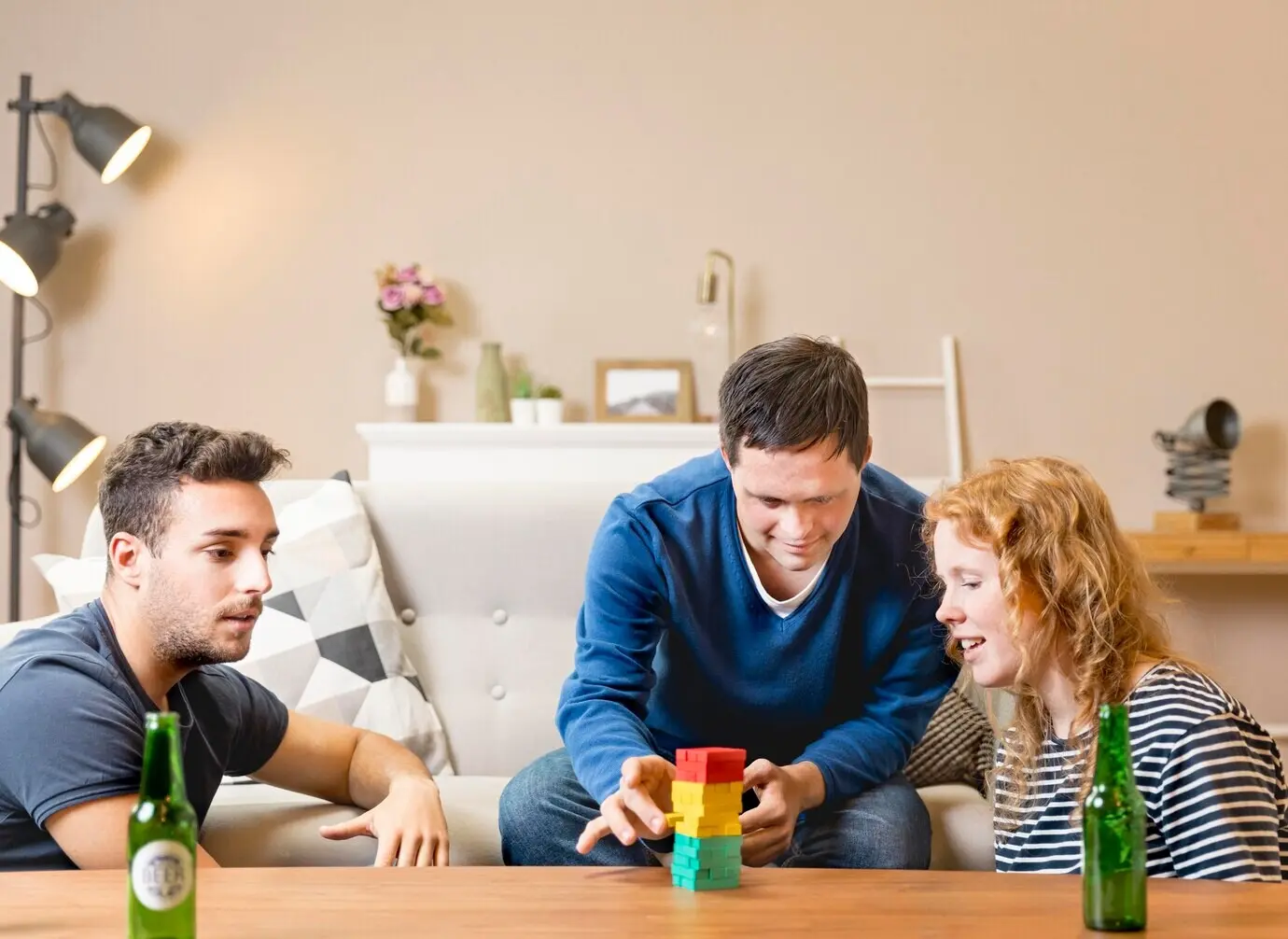
Turn Your Smart Home Into an Energy Game

Today we dive into gamified energy-saving challenges powered by home automation, exploring how points, playful goals, and real-time feedback from connected devices can transform everyday routines. Discover practical setups, motivating rules, and community ideas that reduce bills, cut emissions, and spark friendly competition while keeping comfort, privacy, and fairness in balance.

Why Play Works: Behavior Meets Kilowatt-Hours

Motivation That Sticks

Gamified goals turn abstract kilowatt-hours into visible progress, transforming invisible consumption into streaks, milestones, and celebrations. When lights dim on schedule or a thermostat auto-adjusts before bedtime, you feel victorious control. Layering small, winnable targets builds momentum, encouraging participation from reluctant family members and sustaining engagement beyond novelty.

Feedback That Feels Rewarding

Instant, meaningful feedback matters. A dashboard that shows yesterday’s fridge usage dropping after a gasket fix, or a notification awarding points for shutting off idle devices, reinforces effort precisely when it counts. Tangible recognition—confetti animations, gentle chimes, or shared kudos—turns responsible behavior into something people anticipate rather than avoid.

Small Wins, Big Savings

Start with actions that require minimal sacrifice yet deliver visible results, like optimizing standby loads or trimming overnight heating. Each micro-victory proves the system’s value, encouraging bolder goals. Over weeks, these compound into measurable reductions, building confidence and a narrative where every participant sees their contribution truly matter.

Pick the Right Devices

Choose smart plugs with accurate energy monitoring, motion sensors with adjustable sensitivity, and thermostats that integrate occupancy data. Prefer platforms supporting open standards for smoother interoperability. Reliability beats novelty, because challenges rely on consistent measurements to award points honestly and notify participants promptly when a goal is reached.

Automation Scenes That Matter

Create scenes aligned with daily rhythms: morning ramp-ups with staged lighting, midday eco modes during absences, and evening wind-downs that trim unnecessary loads. Tie scenes to occupancy and local weather to avoid discomfort. When routines feel natural, participation rises, and the game reinforces comfort rather than feeling punitive.

Integrations and Routines

Connect your hub to calendars, voice assistants, and geofencing so challenges adapt automatically. If everyone leaves, eco mode activates and points accrue without micromanagement. When someone returns, lights respond intelligently. Integrations reduce friction, maintain fairness, and let you scale from solo experiments to household-wide contests with minimal extra setup.

Craft Irresistible Challenges

Design goals that are achievable, time-bound, and meaningful. Mix daily streaks with weekend sprints and longer monthly quests. Balance personal achievements with cooperative targets so competitive spirits thrive without overshadowing collaboration. Clear rules, transparent scoring, and celebratory moments keep the experience uplifting, even when setbacks occur or schedules change.

Transparent Metrics

Publish how every point is calculated, including baselines, time windows, and device weights. Offer comparisons normalized by occupants or square footage to keep results fair. When participants understand the math, they experiment more confidently and accept outcomes, because they can trace every improvement to a specific behavior and timeframe.

Respectful Privacy by Design

Only collect what you need. Aggregate timeline views without exposing room-by-room occupancy. Let users hide sensitive devices from shared dashboards while still contributing to collective goals. Strong permissions and clear labels create psychological safety, inviting broader participation from people who might otherwise avoid connecting personal routines and data.

Balancing Luck and Skill

Weather, guests, or unexpected appliances can skew results. Mitigate randomness by using rolling averages, grace periods, and seasonal brackets. Provide challenge variants for apartments versus detached homes. When luck is tempered, skillful, repeatable behaviors shine, and players feel empowered to improve regardless of external noise or temporary setbacks.

Bring People Together

Family Quests That Teach

Design playful tasks for kids, like treasure hunts that reward switching off lights in empty rooms, paired with stories about superheroes saving watts. Parents set bedtime dimming streaks. Everyone earns a shared movie night when goals align. Learning becomes joyful, practical, and anchored in daily routines that last beyond prizes.

Roommate Pacts That Work

Agree on quiet, fair rules—like weekly standby audits or shared laundry off-peak schedules—then let automation handle reminders. Post a rotating champion badge on the fridge, celebrate near-ties, and reset baselines each month. With clear expectations and lighthearted recognition, collaboration feels effortless and disputes fade into constructive, results-focused conversations.

Neighborhood Leagues With Heart

Host a seasonal challenge where blocks compare percentage reductions rather than absolute consumption. Share anonymized tips in a group chat, host workshops on smart plugs, and award a community garden day when collective targets are met. Participation grows organically as people witness tangible savings and a shared sense of accomplishment.

Proof in Practice

Stories validate the process and reveal repeatable patterns. Across homes and small offices, playful automation consistently reduces waste without sacrificing comfort. Real-time feedback, streak mechanics, and seasonal goals combine into steady progress. Invite readers to share their results, subscribe for new challenge templates, and join monthly community run-throughs.
Puxerumalifuzuka
Privacy Overview

This website uses cookies so that we can provide you with the best user experience possible. Cookie information is stored in your browser and performs functions such as recognising you when you return to our website and helping our team to understand which sections of the website you find most interesting and useful.