Let the Room Tell the Story
Tonight we explore voice-assisted story adventures synchronized with smart lights and speakers, where narration, color, and sound react together to your words. Watch walls breathe with auroras as footsteps echo across rooms, and let choices reshape lighting, music, and effects in real time. Invite curiosity, gather friends, and speak the next chapter aloud.
How It Works, Moment by Moment
Your voice wakes the assistant, the story engine interprets intent, and synchronized commands ripple to grouped speakers and light scenes with precise timing. Beats trigger color shifts, dimming, spatial audio, and subtle sound effects, creating coordinated cues that guide emotions, signal choices, and keep pacing crisp without distracting from narration.
Wake Words and Natural Prompts
Choose concise wake words and conversational prompts that feel like dialogue, not commands. Test variations with different ages and accents to reduce misfires. Provide gentle confirmations through a soft chime or glow, so listeners know the system heard them without breaking immersion or interrupting character voices.

Timing the Beats
Map story beats to milliseconds, not minutes. Let a thunderclap align with a subwoofer hit and a fast strobe softened by diffused bulbs, then fade to calm hues as dialogue resumes. Consistent timing habits build trust, reduce surprise fatigue, and elevate emotional continuity chapter after chapter.
Setting Up Your Home Stage
Start with two or more addressable bulbs and a pair of speakers grouped in stereo or multi-room, anchored by your preferred assistant. Place lights to reflect off walls, not eyes. Calibrate brightness, color temperature, and equalization. Reliable Wi‑Fi and labeled scenes keep everything responsive when excitement peaks.
Choosing Lights and Layout
Diffuse strips behind furniture create atmospheric washes, while table lamps provide expressive accents for character moments. Avoid single harsh sources that flatten mood. Test colors against paint and daylight. Keep a quiet neutral baseline, then layer vivid hues only when story action genuinely benefits from heightened contrast.

Speaker Placement and Grouping
Angle speakers toward listening positions, minimize reflective surfaces, and group rooms only when the narrative travels across spaces. For intimate scenes, collapse to one cozy zone. Balance dialog clarity with ambience, letting narration sit forward while effects wrap gently around, performing like stage lights for the ears.
Writing Stories That Control the Room
Treat the space like a character. Link plot turns to light palettes, transitions, and surround textures. Keep spoken lines short and rhythmic, leaving breathing room for sound cues. Reserve dazzling effects for earned moments, and let quiet darkness carry tenderness, reflection, or mystery between decisive choices.
Scene Design and Color Emotion
Anchor hope in sunrise ambers, tension in desaturated blues, and revelation in sudden, high-contrast whites softened within seconds. Build visual motifs that recur like leitmotifs in music. Over time, your audience learns the emotional grammar, anticipating turns with delight rather than confusion or sensory overload.
Branching Choices Without Chaos
Design choice points that map cleanly to voice responses, offering clear, short phrases that disambiguate intents. Use fail-safes: a gentle prompt, a repeat, or a default path if silence lingers. Maintain continuity with state variables, so light scenes and music remember consequences across chapters.
Mapping Dialogue to Actions
Tag lines with metadata that trigger precise cues: whispers dim to candlelight, shouts summon thunder, discoveries bloom into warm gradients. Keep an authoring sheet that pairs dialogue segments with scene IDs, helping collaborators iterate quickly without guessing which color or effect belongs to each moment.
Family Nights and Classroom Magic
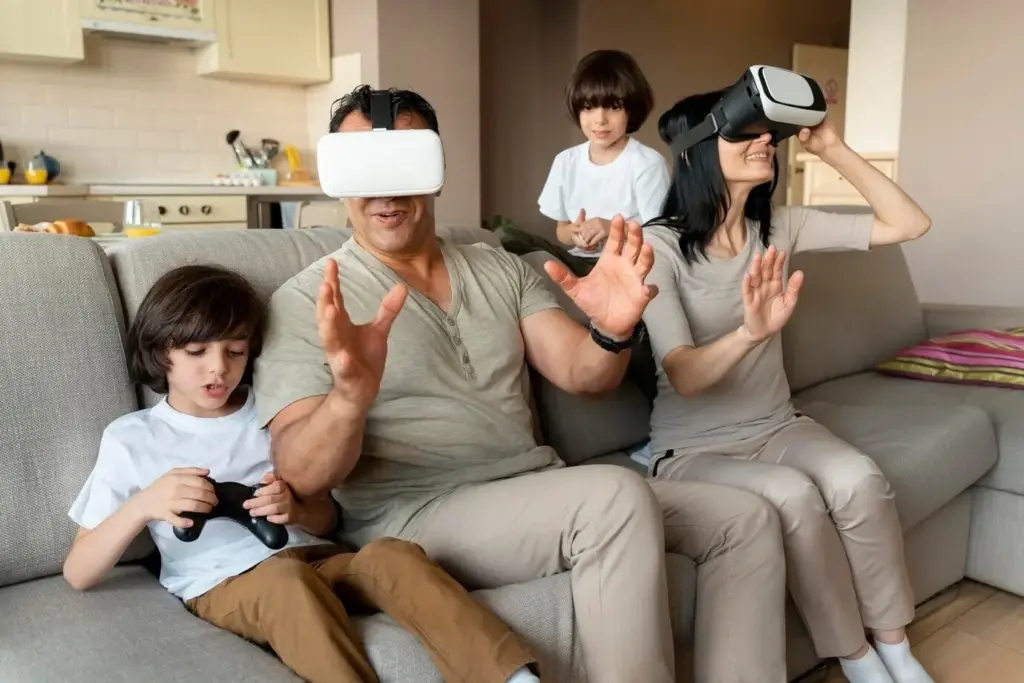
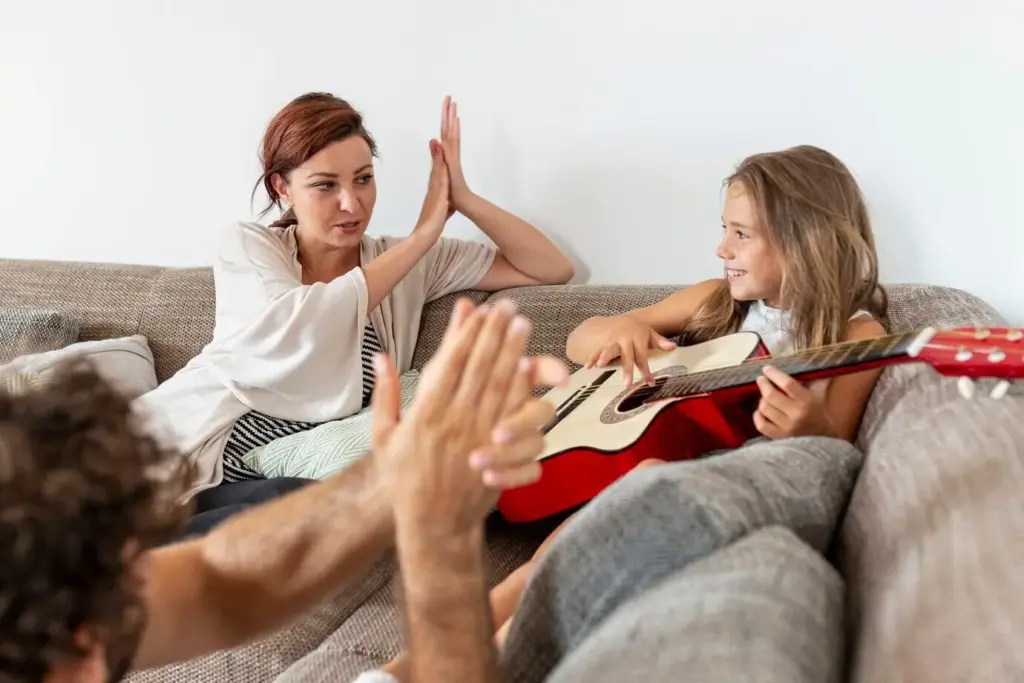
Gather kids, friends, or students and turn listening into participation. Characters ask questions, rooms respond with clues, and laughter becomes part of the soundtrack. Educators reinforce comprehension, caregivers shape calm routines, and families create rituals that outlast battery cycles, leaving memories painted in light and layered sound.
Tools, Platforms, and Quick Recipes
Whether you prefer native routines or open frameworks, the path is flexible. Build scenes with Hue, Nanoleaf, or similar ecosystems; orchestrate triggers through Alexa, Google, or Shortcuts; or stitch advanced logic with Home Assistant and Node‑RED. Start simple, iterate nightly, and adjust based on audience reactions.
Community, Feedback, and Next Chapters
You are part of a growing circle of creators turning living spaces into responsive stages. Share recordings, lighting maps, and funny misheard prompts. Ask questions, trade routines, and request story genres you crave. Subscribe, comment, and help us test prototypes that push immersion while protecting comfort and accessibility.
Share Your Most Surprising Moment
Tell us when the room outperformed the script: a mistimed fade that became a ghostly reveal, or a child’s ad‑lib turning into the perfect plot twist. Your stories sharpen our playbooks and inspire new palettes, transitions, and safeguards that elevate everyone’s experiences night after night.
Ask an Expert, Get Unstuck
Drop a comment describing your setup, desired mood, and stumbling point. We’ll suggest timing tweaks, safer color choices, or routing ideas that avoid device conflicts. Collective wisdom shortens the learning curve, and your follow‑ups help refine guidance for readers who arrive tomorrow searching for confident beginnings.
Contribute to the Library
Submit a compact routine, scene palette, or mini‑adventure with notes on pacing and accessibility. We’ll highlight credits and build a shared collection that newcomers can remix. Collaborative curation keeps innovation steady, while consistent labeling standards prevent confusion when adapting stories across different brands, rooms, and ages.
All Rights Reserved.